Risk-based exploratory, functional and regression testing
3critical
1high
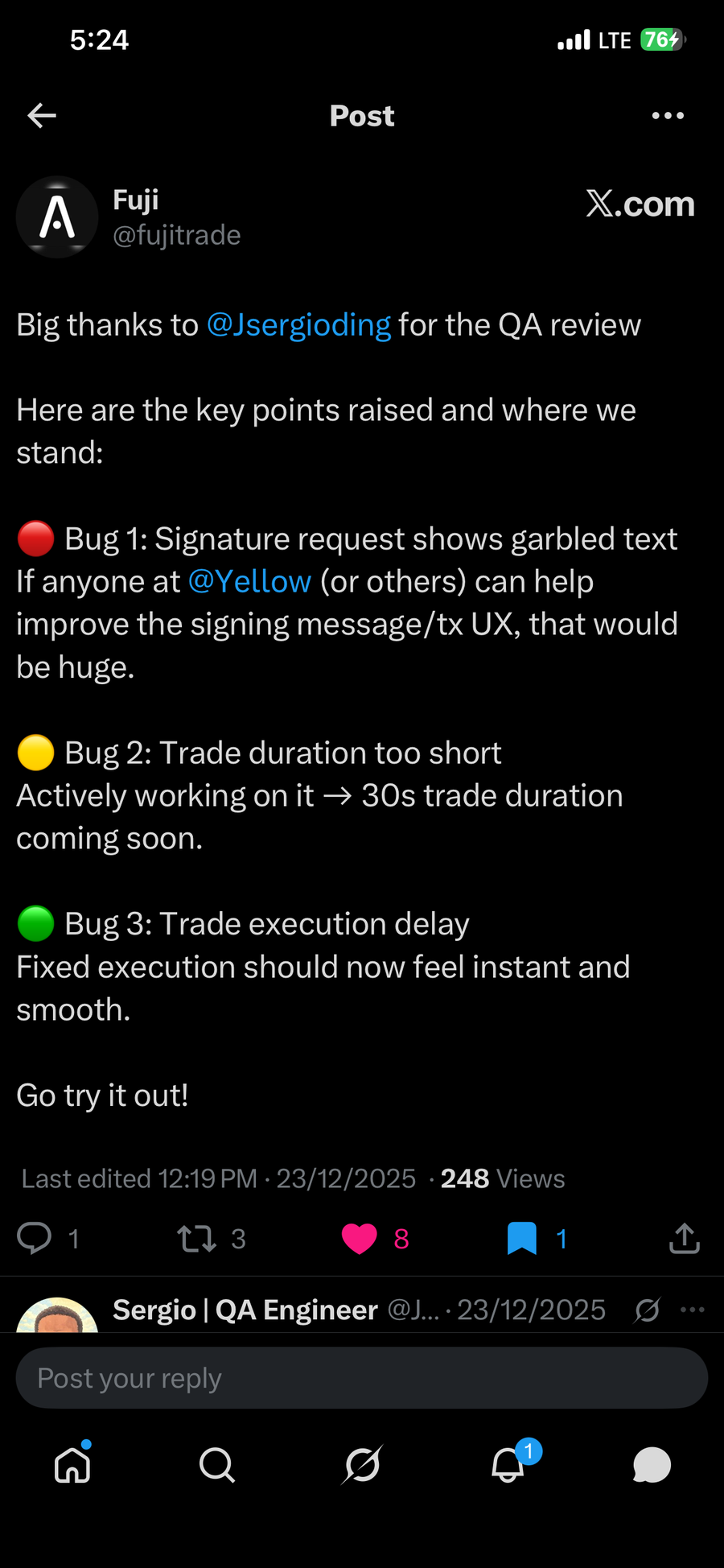
The Fuji.Trade team publicly acknowledged the reported issues and confirmed fixes.
Overview
Fuji.Trade is a decentralized trading platform where reliability, wallet connectivity and transaction accuracy are essential to user trust. I evaluated the platform from a product quality perspective by validating critical user journeys, identifying release risks and making sure core trading workflows performed reliably before production deployment.
Objective
Improve release readiness by validating the platform's most business-critical workflows before deployment. Testing focused on protecting the trading experience, improving transaction reliability, validating wallet integrations and finding defects that could affect user trust, platform stability and business performance.
Quality ownership
Assessed end-to-end trading reliability across core user journeys.
Identified high-risk workflows before production release.
Validated wallet connection stability across multiple scenarios.
Detected authentication and transaction issues that could affect production users.
Evaluated usability issues that created friction during onboarding and trading.
Verified bug fixes and prevented regression defects before release.
Improved release confidence by ensuring critical features met quality standards.
Testing activities
Risk-Based Exploratory Testing
Functional Testing
Regression Testing
Authentication Validation
Wallet Connection Testing
Trading Flow Validation
Cross-Browser Testing
Mobile Testing
UI/UX Evaluation
Smoke Testing
Critical findings
critical
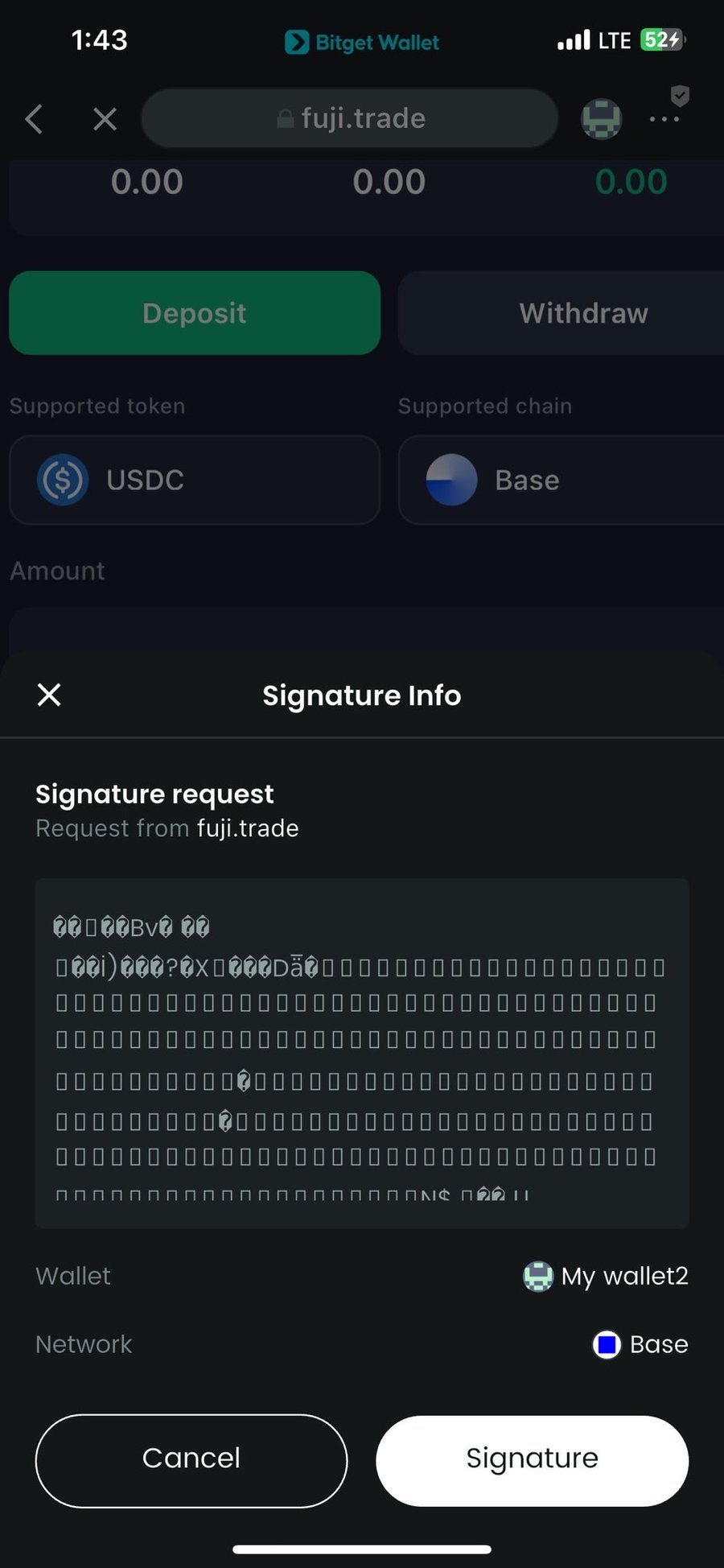
Wallet signature display issue
The transaction approval screen displayed unreadable wallet signature text, reducing transparency during transaction confirmation and increasing the risk of users rejecting or mistrusting legitimate transactions.
ImpactReduced user confidence and increased security and trust concerns.
Confirmed fixed by the development team.
critical
Trade execution delay
Order execution experienced noticeable delays after submission, creating uncertainty around transaction status and hurting the overall trading experience.
ImpactReduced trading confidence and increased perceived platform latency.
Confirmed fixed by the development team.
critical
Mobile wallet authentication failure
MetaMask authentication became stuck during wallet connection on Mobile Chrome, preventing users from accessing the trading platform.
ImpactBlocked users from onboarding and from core platform functionality.
high
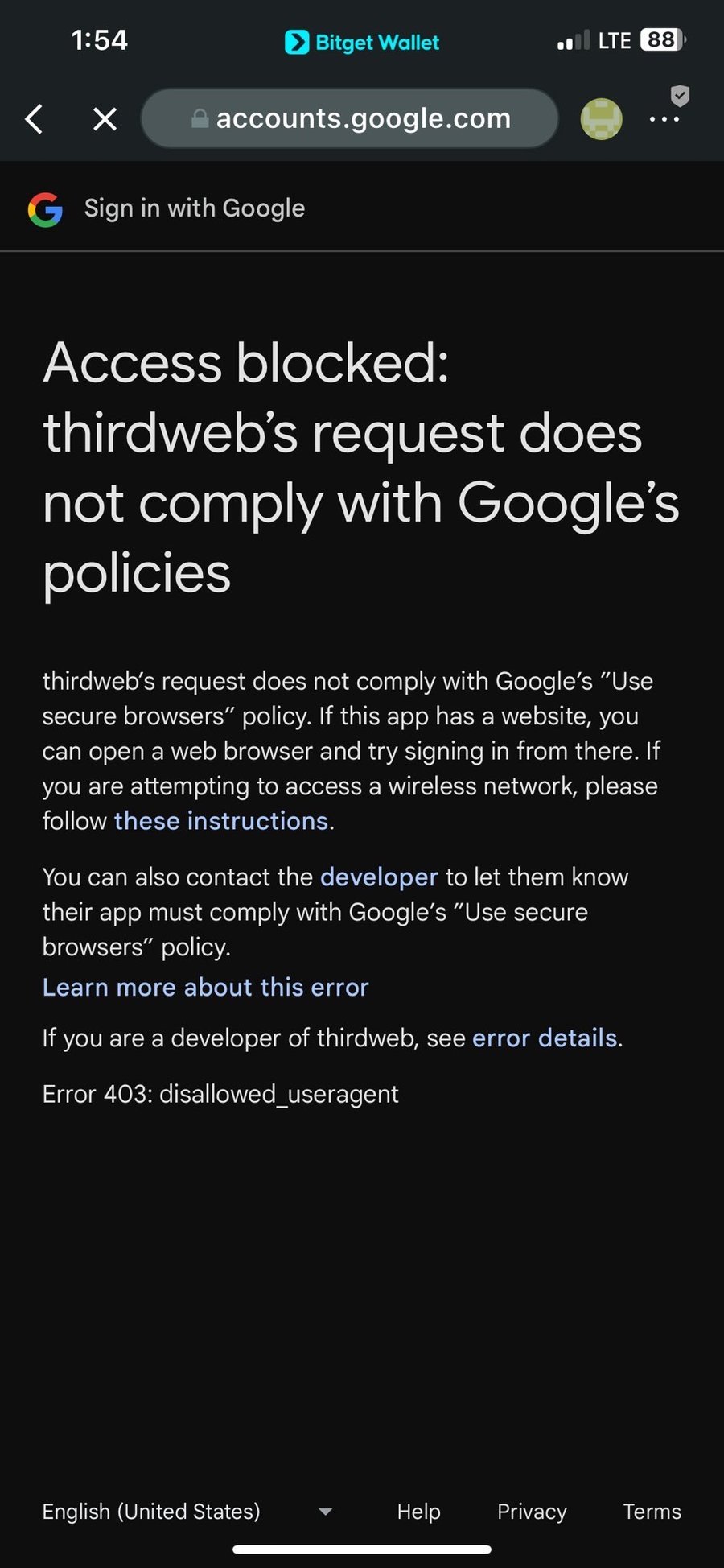
Google authentication failure in Bitget Wallet browser
Google Sign-In returned a 403 "disallowed_useragent" error inside the Bitget Wallet browser, preventing authentication through Google.
ImpactPrevented Bitget Wallet users from accessing the platform and reduced accessibility for mobile wallet users.
Product quality impact
Identified multiple release-blocking issues before wider product adoption.
Improved authentication reliability across supported wallet environments.
Strengthened transaction approval and wallet connection workflows.
Increased release confidence by validating critical trading journeys.
Contributed to a more reliable trading experience across desktop and mobile.
Evidence
Wallet signature text displayed unreadable characters during transaction approval.Google Sign-In returned a 403 disallowed_useragent error inside the Bitget Wallet browser.
Outcome and recognition
Following my QA review, the Fuji.Trade team publicly acknowledged several reported issues and confirmed that fixes had been implemented or scheduled for upcoming releases. The acknowledgment covered improvements to transaction execution, wallet signing experience and platform usability.